
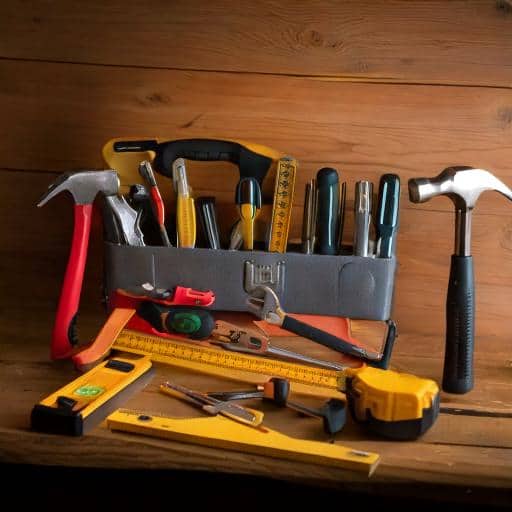
Basic Tools For Every Homeowner
Basic Tool Kit: What Belongs in Your Home Tool Box
Think of a basic tool kit like a good kitchen – you don’t need every gadget on the market, but you do need those essential items that you’ll use again and again. Just like you wouldn’t try to open a can with a fork, you don’t want to be stuck using the wrong tool for a home repair job. Or imagine trying to cook a full meal with just a microwave – sure, you could do it, but having the right tools makes everything easier and turns out better results.
Looking to start your DIY journey but not sure which tools you really need? One of the first things to remember is that having the right tools isn’t about buying everything at once – it’s about building a reliable kit that grows with your skills. Let’s walk through exactly what you need to tackle most home projects and, more importantly, why each tool earns its spot in your toolkit.
What basic tools do you need? A basic tool kit should include:
A screwdriver, hammer, tape measure, pliers, utility knife, adjustable wrench, level, putty knife, straight edge, square, flashlight, and safety gear. These basic tools will handle about 80% of the projects and repairs you’ll tackle around the house.
Why You Need a Well-Stocked Home Tool Kit
Every homeowner faces those moments when something needs fixing – a loose doorknob, a wobbly table, or a picture that needs hanging. Having the right tools on hand saves both time and money. Instead of calling a handyman for every small task, you can tackle basic repairs yourself. Plus, when you invest in high quality tools, they’ll last for years to come.
I. The Foundations of Your Kit:
These are the workhorses of your tool set – the reliable basics that you’ll reach for time and time again. While they might not be the most exciting tools in your collection, they’re the ones that will help you handle most household tasks with ease.
- A screwdriver with interchangeable tips is a good option for storage space.
- A set of separate screwdrivers in sizes #1, #2, and #3 is also a good option in your tool box.
- A 16-ounce claw-style hammer is suitable for most jobs around the house.
- A 25-foot tape measure with a locking measuring blade is a good option.
- Needle-nose pliers and groove-joint pliers are must-have models.
- A basic utility knife model with a retracting blade is a good option.
- A level is essential for hanging picture frames or installing cabinets.
- A putty knife is useful for spreading spackling compound or scraping off paint.
- A 2-inch metal one is more versatile and doesn’t break as easily.
- A straight edge is necessary for drawing straight lines or cutting materials.
- A square is essential for setting up tools and marking lines.
- A flashlight or headlamp to see what you need to see.
The Must-Have Hammer
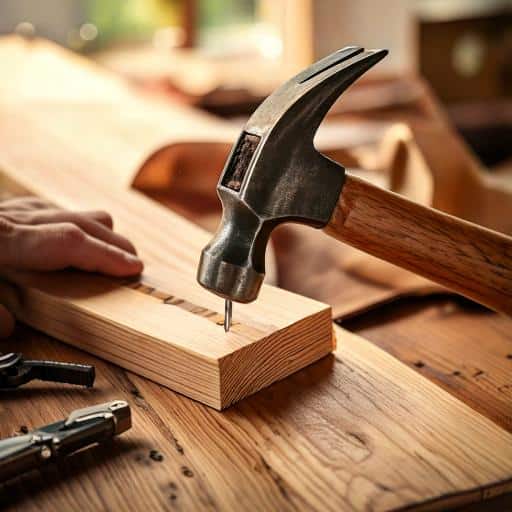
Every home tool kit needs a solid hammer. Go for a 16-ounce claw hammer with a fiberglass handle. It’s perfect for driving nails and basic demolition work, while the claw end helps with pulling nails out of wood or wall surfaces. You can upgrade to a specialty hammer later if you find you need to.
Tape Measure: Your Most-Used Tool
This tool will be what you will reach for the most often. Kind of like your smartphone for the tool world.
A 25-foot tape measure with a locking blade is one tool you’ll for almost every project. From hanging pictures to measuring furniture, this tool earns its space in your kit many times over.

Screwdrivers for Every Job
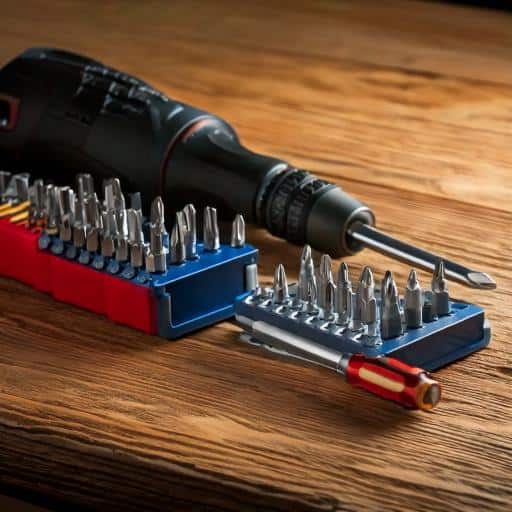
Think of screwdrivers like your wardrobe – you need different options for different occasions. Just as you wouldn’t wear beach sandals to a formal dinner, you can’t use a Phillips head screwdriver on a flathead screw. It’s awkward. Building your basic tool kit should include both types, either as separate tools or with interchangeable tips to save space.
When it comes to screwdrivers, you have two options:
- A screwdriver with interchangeable tips (great for saving space).
- A set of individual screwdrivers in different sizes and shapes.
Either way, make sure you have both Phillips and flathead options for different types of screws. Pro tip: star tips are a good addition as well.
Basic Pliers and Wrenches
Pliers in your home tool kit are like having a super-strong assistant. The needle-nose pliers work in tight spaces like a skilled surgeon, while your adjustable wrench and groove-joint pliers provide the muscle for heavy duty jobs. Together, they form the grip team you need for most tasks around the house.
- Needle-nose pliers are for tight spaces and detailed work.
- Regular pliers for basic uses.
- Locking pliers are useful for tackling heavy-duty jobs and have adjustable jaws that can lock in place.
- An adjustable wrench or groove-joint pliers is useful for tightening plumbing fixtures, assembling swing sets, or just where you need extra grip.

Utility Knife
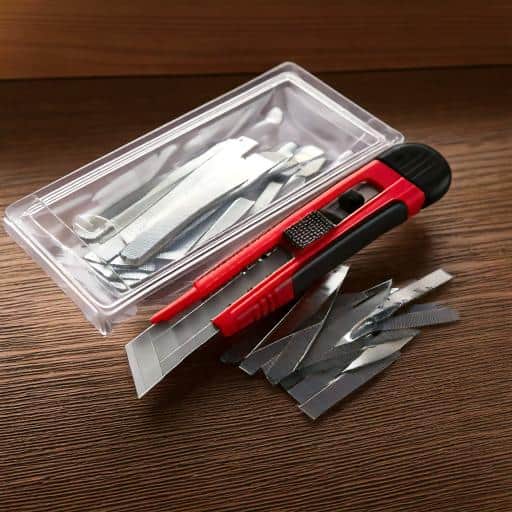
Your utility knife will quickly become one of the most-reached-for items in your tool kit. Look for one with a retracting blade and a comfortable grip – you’ll use this for everything from opening packages to cutting drywall. Pro tip: keep spare blades handy. A sharp blade isn’t just easier to use; it’s actually safer since you won’t need to force it.
- A utility knife is useful for opening boxes, sharpening pencils, or marking mortises.
Essential Measuring and Marking Tools

For hanging pictures.
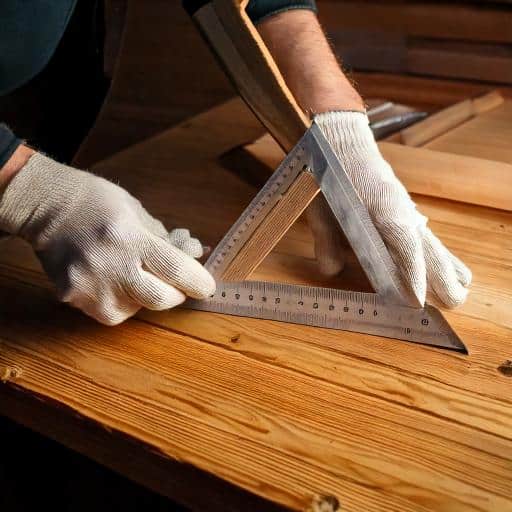
For straight cuts or marks.
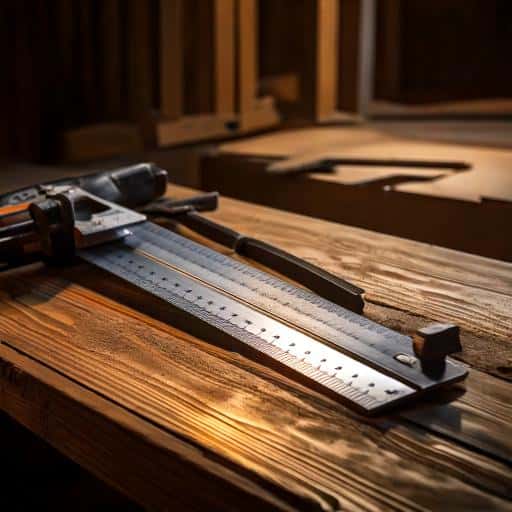
For straight marks or cuts

Illuminating the dark.

For drywall or scraping paint.
II. Beyond the Basics: Specialty Tools That Make Life Easier
Once you’ve mastered your basic tool kit, you’ll discover there are some tasks that call for something more specific. These specialty tools might not be everyday essentials, but when you need them, nothing else will do quite as well. They’re the problem-solvers that can turn a frustrating job into a quick fix.
Advanced Gripping Tools
- Locking pliers for heavy duty jobs
- Groove-joint pliers for extra grip
- Wire cutters for electrical work
Fastening and Finding Tools
Let’s be honest, you can’t go wrong with having some Duct tape around the house.
- A socket set is useful for speeding up the assembly process for anything held together with nuts and bolts.
- A socket set includes 40 sockets of different sizes and bonuses.
- A stud finder is useful for determining the location of a stud.
- A stud finder is useful for scanning at different depths for different materials.
- A stud finder takes the guesswork out of hanging heavy items. It helps you locate solid wood behind drywall, making sure your TV mount or shelving stays secure.
Basic Cutting Tools
Handsaw for wood
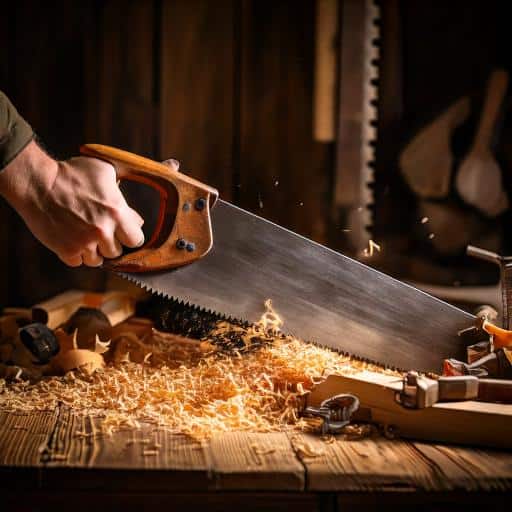
While power saws are great for big projects, a basic handsaw belongs in every home tool kit. It’s perfect for small wood cutting tasks like trimming lumber or adjusting molding stock. Plus, it never needs charging and works in tight spots where a power saw won’t fit.
Wire strippers
While they might look intimidating at first, wire strippers are like the Swiss Army knife of electrical work. You won’t need them every day, but when you do need them, nothing else will do the job quite right. Whether you’re installing a new light fixture or fixing a lamp, wire strippers help you safely remove wire insulation without damaging the metal core underneath.
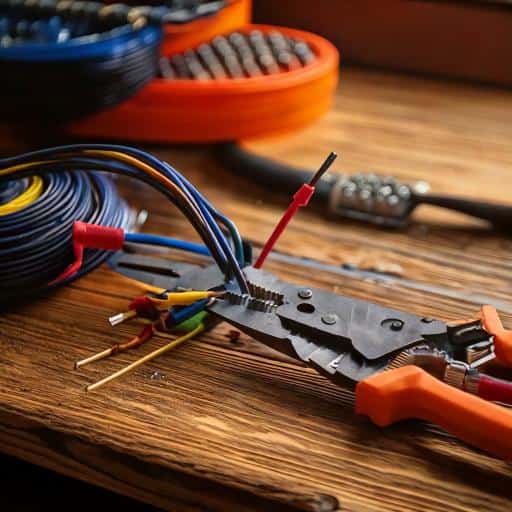
Look for a pair that includes multiple notches for different wire gauges – this takes the guesswork out of how much pressure to apply. Most wire strippers also include a cutting function and even bolt-cutting holes, making them a versatile addition to your home tool kit. Just remember that while they’re great for basic electrical tasks around the house, always call a professional for major electrical work.
Wire cutters are necessary for cutting wires or cables.
Don’t let the name fool you – wire cutters aren’t just for electrical work. These versatile tools come in handy for all sorts of cutting tasks in tight spaces where your utility knife or saw won’t work. They’re essential for any project involving wire, cable, or small-diameter materials.
Heavy duty shears for tough materials
Think of these as super-powered scissors. While not an absolute essential for your basic tool kit, a good pair of heavy-duty shears can handle materials that would destroy regular scissors or be awkward to cut with a utility knife. They’re particularly useful for cutting sheet metal, heavy plastic, or tough fabrics.
Keeping Your Edge
Whatever cutting tools you choose for your tool set, remember these key points:
- Store blades carefully to prevent dulling and damage
- Replace or sharpen blades as soon as you notice them getting dull
- Keep cutting tools dry to prevent rust
- Use the right tool for each material – don’t force a tool to do a job it wasn’t designed for
- Store cutting tools where children can’t access them
III. Power Tools Worth the Investment
Power tools are like upgrading from a bicycle to a motorcycle – suddenly, those uphill battles become easy rides. A cordless drill, for instance, is like having a tireless assistant who never complains about driving screws or making holes. It’s one of those high-quality tools that makes you wonder how you ever managed without it.
Cordless Drill and Drill Bits
If there’s one power tool that deserves a spot in every home tool kit, it’s the cordless drill. Think of all those times you’ve tried to screw something in by hand, your wrist aching after the tenth turn. A good power drill doesn’t just make these jobs easier – it makes them possible. From assembling furniture to mounting your TV, a cordless drill is like having a tireless assistant ready to tackle any job that needs holes or screws.

- A cordless drill might be the most useful power tool you can own, and is compact enough to fit in a toolbox. It is perfect for:
- Drilling pilot holes
- Driving screws
- Assembling furniture
- Installing kitchen cabinets
- Mounting items on walls
- Drill bits are necessary for drilling holes in various materials. Drill bits are useful for driving screws or bolts.
Choosing Your Drill
Look for an 18V or 20V model that feels comfortable in your hand. While there are more powerful options out there, these models hit the sweet spot between power and portability. They’re strong enough for most home improvement projects but won’t wear you out during extended use. Plus, they’re compact enough to fit in your tool box without taking over.
The World of Drill Bits
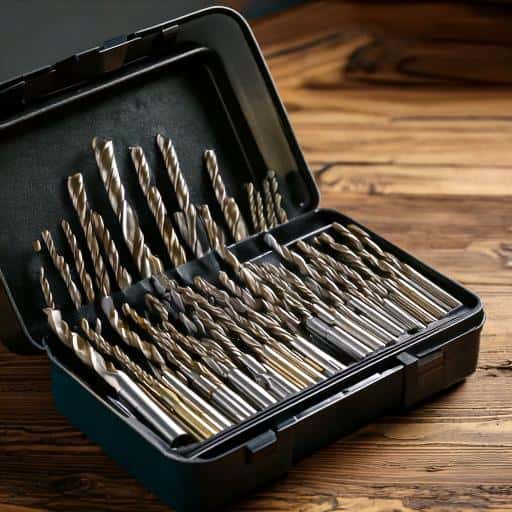
Your drill is only as versatile as the bits you pair it with. A basic set should include:
- Standard twist bits for general drilling
- Spade bits for larger holes in wood
- Masonry bits for concrete or brick
- Screwdriver bits for various screw types
Think of drill bits like your drill’s wardrobe – different occasions call for different options. Just like you wouldn’t wear hiking boots to a wedding, you wouldn’t use a wood bit to drill through tile.
Shedding Light on Your Projects: Work Lights
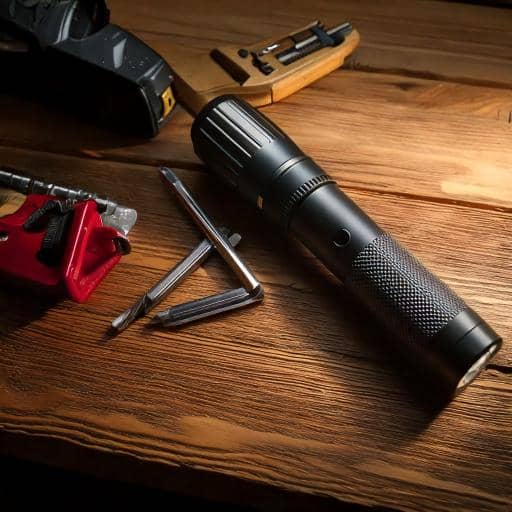
Ever tried to fix something in a dark corner or poorly lit closet? A good work light can turn a frustrating job into an easy one. While your phone’s flashlight might work in a pinch, having a dedicated work light means keeping both hands free for the task at hand. Whether you’re trying to peek behind your washer or find the right wire under your sink, proper lighting makes every job safer and simpler.
Beyond basic flashlights, consider an LED work light that can stand on its own or clip to nearby surfaces. Some even come with magnetic bases, perfect for sticking to metal surfaces while you work. And unlike the heat-generating work lights of yesteryear, modern LED versions stay cool and use minimal power.
Other Helpful Power Tools
As your skills grow and projects get more ambitious, you’ll find certain power tools can make a world of difference. Unlike your basic tool kit essentials, these are tools you might not need right away – but when you do need them, they’re game-changers.
An orbital sander, for instance, can turn a weekend of hand sanding into an afternoon project. When working with wood, it delivers a smooth finish that would take hours to achieve by hand. Plus, its circular motion helps prevent those annoying sanding marks that can ruin your work.
The circular saw is another power tool that earns its keep. While your handsaw works for small cuts, a circular saw makes quick work for larger projects. Whether you’re building a shelf or tackling heavy-duty jobs like deck repair, it delivers straight, clean cuts with minimal effort.
For indoor jobs that require precision cutting – like installing kitchen cabinets or trimming door frames – a power saw can be invaluable. These versatile tools can handle everything from basic straight cuts to complex angles, making them perfect for both small projects and larger home improvement undertakings.

IV. Organizing Your Tools
Tool Storage Solutions
A proper set of tools deserves a proper home. Good organization isn’t just about keeping things tidy – it’s about knowing exactly where to find what you need when you need it. The last thing you want is to make your projects harder by hunting for tools in the middle of a job.
- A sturdy tool box with compartments
- A carrying case for power tools
- A bucket-liner organizer for growing collections.
Keeping Everything Handy
Nothing slows down a project faster than hunting for the right tool. Smart organization isn’t just about neatness – it’s about efficiency. Set up your tool storage like a chef arranges their kitchen: frequently used items within easy reach, everything else logically grouped and clearly visible.
Your most-used tools – hammer, tape measure, and basic screwdrivers – should live where you can grab them quickly. Power tool batteries need a home near their chargers (preferably fully charged and ready to go). Small items like screws and bolts deserve their own labeled containers to prevent that dreaded last-minute hardware store run. And don’t forget to keep your safety glasses somewhere obvious – they can’t protect your eyes if you can’t find them.
- Frequently used tools
- Power tool batteries and chargers
- Small items like screws and bolts
- Safety equipment like safety glasses
Taking On Home Improvement Projects
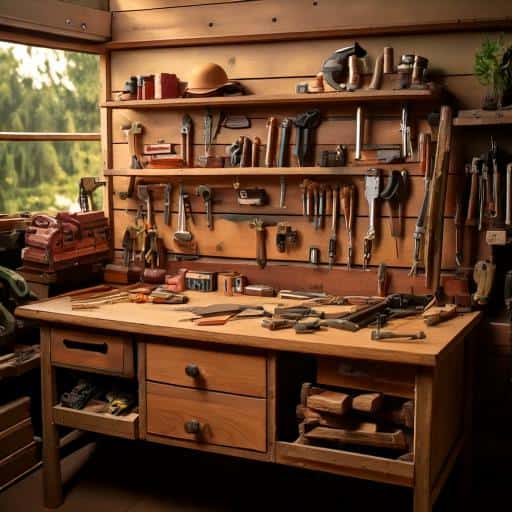
Now that you’ve got your tool kit assembled, a whole world of DIY possibilities opens up. What might have seemed like daunting tasks before – like assembling furniture or tackling basic repairs – become manageable projects. The key is starting small and building your confidence along with your skills.
- Hanging pictures
- Basic repairs
- Assembling furniture
- Indoor jobs of all sizes
- Small projects around the house
Safety First: Protecting Yourself and Your Tools
Even the most basic home improvement projects deserve proper safety consideration. It’s not just about protecting yourself – though that’s obviously crucial – it’s also about maintaining your tools so they’ll serve you well for years to come. A well-maintained tool kit is a safe tool kit.
- Wear safety glasses when needed
- Keep blades sharp and tools clean
- Store tools in a dry place
V. Frequently Asked Questions
What are the most common tools used at home?
The most used tools in any household are typically a hammer, screwdrivers, tape measure, pliers, and a utility knife. These handle about 80% of common household tasks.
What should everyone have in their tool box?
Every tool box should contain:
- A claw hammer
- Phillips and flathead screwdrivers
- A tape measure
- Pliers (needle-nose and groove-joint)
- A utility knife
- An adjustable wrench
- A level
- Basic safety equipment
What is a basic hand tool?
A basic hand tool is any non-powered tool that you can use manually. This includes hammers, screwdrivers, wrenches, and pliers. These are the foundations of any good tool set.
What tools do you usually use in your household?
For most household tasks, you’ll regularly use:
- A hammer for hanging pictures and driving nails
- Screwdrivers for tightening loose screws
- A tape measure for placing furniture
- Pliers for gripping and turning
- A utility knife for opening packages and cutting materials
What tools should a beginner start with?
Beginners should start with:
- A quality hammer
- A set of screwdrivers
- A reliable tape measure
- Basic pliers
- A utility knife
Add more tools as you take on bigger projects and develop your skill level.
Wrapping Up
Remember, building a complete home tool kit takes time. Start with basic hand tools and gradually add tools as you need them for specific projects. Focus on high-quality tools when you can – they’ll last longer and make jobs easier.
Consider the types of DIY projects you plan to undertake and the tools required for each project. Whether you’re an experienced DIYer or just starting out, having the right tools ready makes every project go smoother.